
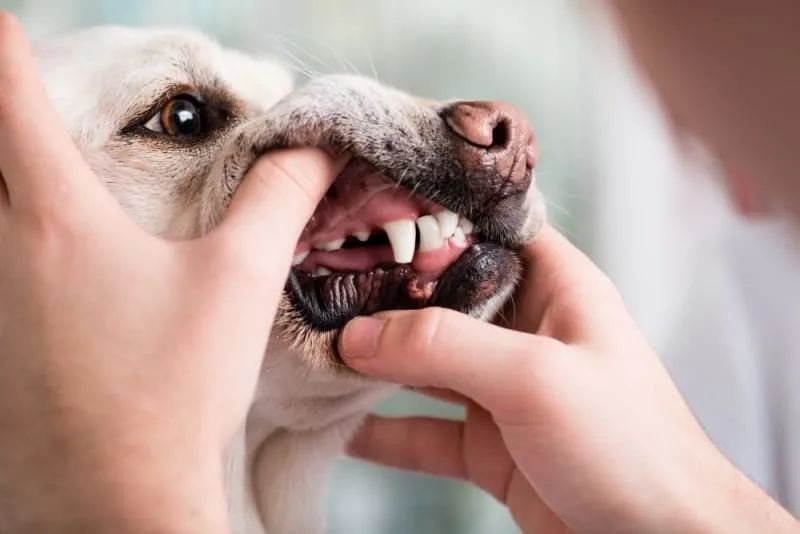
Just like humans, dogs can develop cavities if their oral hygiene is not cared for properly. Today, our Bellevue vets discuss cavities in dogs and how you can help prevent them.
Cavities In Dogs
Cavities occur for the same reasons in dogs as in dogs. or the same reason in both humans and dogs. They are areas of damage to the teeth caused by prolonged exposure to the bacteria found in food. When the bacteria sit on the teeth for a long time they cause acid to build up which eats away at the outer layers of the tooth causing decay and damage.
Over time, the enamel on your dog's tooth will be destroyed and the root of the tooth will be damaged. In severe cases, this will result in the tooth falling out or needing to be extracted.
Dogs eat few foods containing sugars and acids, so cavities develop fairly infrequently. Despite this, some breeds are predisposed to higher chances of developing dental cavities:
Bulldogs
Poodles
Shih Tzus
Pugs
Chihuahuas
Dachshunds
Signs of Cavities in Dogs
It can be difficult to spot the early signs of cavity development before it causes advanced tooth decay. This is why your pup needs to visit the vet for regular dental checkups.
If you notice any of the following symptoms it could be an indication of a cavity or another oral health issue and you should make an appointment with your vet right away:
Tooth discoloration,
Dropping food
Lack of appetite
Excessive drooling
A dark spot anywhere on the tooth
Discomfort or pain in the mouth area
Treating Cavities In Dogs
If your dog is diagnosed with a cavity your vet will assess the level of damage the cavity has caused the tooth. There are 5 stages of damage:
Stage 1: Only enamel affected Stage 2: Enamel and dentin affected Stage 3: Enamel, dentin, and pulp chamber affected Stage 4: Structural crown damage Stage 5: Majority of tooth crown lost, roots exposed
The treatment used to address cavities in your dog will depend on the stage of damage
For a stage 1 or 2 diagnosis, the enamel surrounding the cavity will be removed and the crown will be restored with an amalgam filling.
For a Stage 3 dog tooth cavity, your dog will undergo a root canal procedure, similar to what happens with humans, in which the root canal will be disinfected and scrubbed, and then filled. The procedure will finish with the restoration and sealing of the crown.
If your dog has been diagnosed with a Stage 4 or 5 cavity, the tooth will likely need to be removed if is too damaged to be saved. Your veterinarian will likely use a sealant on the surrounding teeth to ensure further cavities do not form.
Preventing Cavities in Dogs
Regular dental visits to your vet are key when it comes to maintaining your dog's oral hygiene and preventing cavities. When you bring your dog in for routine dental cleanings your vet has an opportunity can also catch any developing oral health issues and suggest treatment options before they turn into a more serious problem. At home, there are some steps you can take to help to maintain your dog's optimal oral hygiene: brushing your dog's teeth, giving your dog chew toys specially designed for removing plaque, and giving them vet-approved dental treats.
Note: The advice provided in this post is intended for informational purposes and does not constitute medical advice regarding pets. For an accurate diagnosis of your pet's condition, please make an appointment with your vet.
Is your dog due for a dental examination and cleaning? Contact our Bellevue vets today to book an appointment for your pup.