
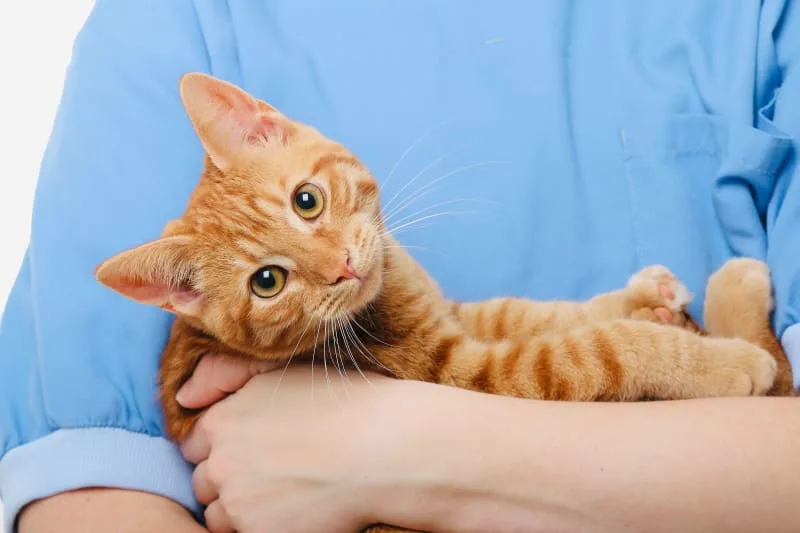
There are a wide variety of illnesses affecting cats with symptoms that may worry you. Some may even be fatal if not promptly treated. Our Bellevue veterinary team offers some insight here into the signs and symptoms to be aware of for three serious cat illnesses.
What are some common cat illnesses?
As a cat parent, here are illnesses you need to be aware of. Be prepared to visit your veterinarian if necessary, especially since cats tend to instinctively isolate when sick. Here are 3 common cat illnesses and their symptoms.
Upper Respiratory Infections
Your cat's upper respiratory tract—composed of their nose, sinuses and throat—can become infected with numerous kinds of viruses and bacteria. These infections are commonly passed around nulti-cat households and shelters. Diseases like feline herpesvirus and feline calicivirus through something as basic as sharing a food or water bowl.
They can transmit this virus to other cats the same way, or by sneezing or coughing. It can also be passed during grooming.
Symptoms include:
Congestion
Gagging, drooling
Runny nose or clear/colored nasal discharge
Cough
Sneezing
Fever
Decreased or lost appetite
Diabetes
If a cat doesn't produce sufficient insulin to balance blood sugar or glucose levels, they develop diabetes mellitus. Left untreated, it may lead to several serious symptoms, such as:
Motor function problems
Increased urination
Thirst
Vomiting
Dehydration
Increased appetite (as the body cannot use the energy in food) or loss of appetite
Death
Coma
If your cat's diabetes isn't properly controlled, it can shorten your cat's lifespan significantly and cause many health issues like nerve disorders. It may also cause severe emergency situations. Treatment of this disease include injections and will be focused on managing this condition.
Cancer
Uncontrolled growth of cells can cause cancer, which can affect a wide range of organs and cells in a cat's body. The disease first starts to develop within a cell, before it attaches to tissue below the skin and potentially spreading to other areas.
A common contributor to cancer is FeLV—Feline Leukemia Virus—that cats can be diagnosed against. Other causes can include environment toxins. If this disease is caught early, your vet may be able to treat your cat's cancer.
Symptoms include:
Chronic weight loss
Lumps or bumps that change in size or shape
Odor from the mouth
Sores that do not heal
Difficulty urinating or defecating
Unexplained bleeding or discharge
Marked increase or decrease in appetite
Depending on whether the tumor is caught and diagnosed early enough, the type of cancer and its extent, specific location within the body, etc., whether an effective treatment plan can be developed, and other factors, a number of treatments such as radiation, surgery and chemotherapy may be attempted.
What should I do if my cat is ill?
If your cat is ill and exhibiting any of the above symptoms, it's critical that you bring them in to your vet as soon as possible. At Aerowood Animal Hospital, we use our onsite pharmacy, emergency clinic and in-house veterinary lab to provide your pet with the vet care they need.
Have you noticed some concerning symptoms in your cat? Our vets are experienced in helping cats overcome and recover from illnesses and conditions. Book an appointment at Aerowood Animal Hospital today.